|
|
|
December 22, 2025
Issue #10
|
|
|
|
|
|
|
|
Welcome back to The MECO Newsletter! After over a year-long hiatus, we're thrilled to reignite the conversation on all things rocketry. In this special comeback issue, we dive into a recap of our recent posts on X (@RocketSimulator), highlighting exciting advancements in rocket engine development from the past three months. These updates showcase the ingenuity pushing propulsion technology forward, from historic Soviet legends to cutting-edge modern designs. Let's geek out together!
|
|
RD-107 and RD-108: Soviet Legends Still Powering Missions
|
|
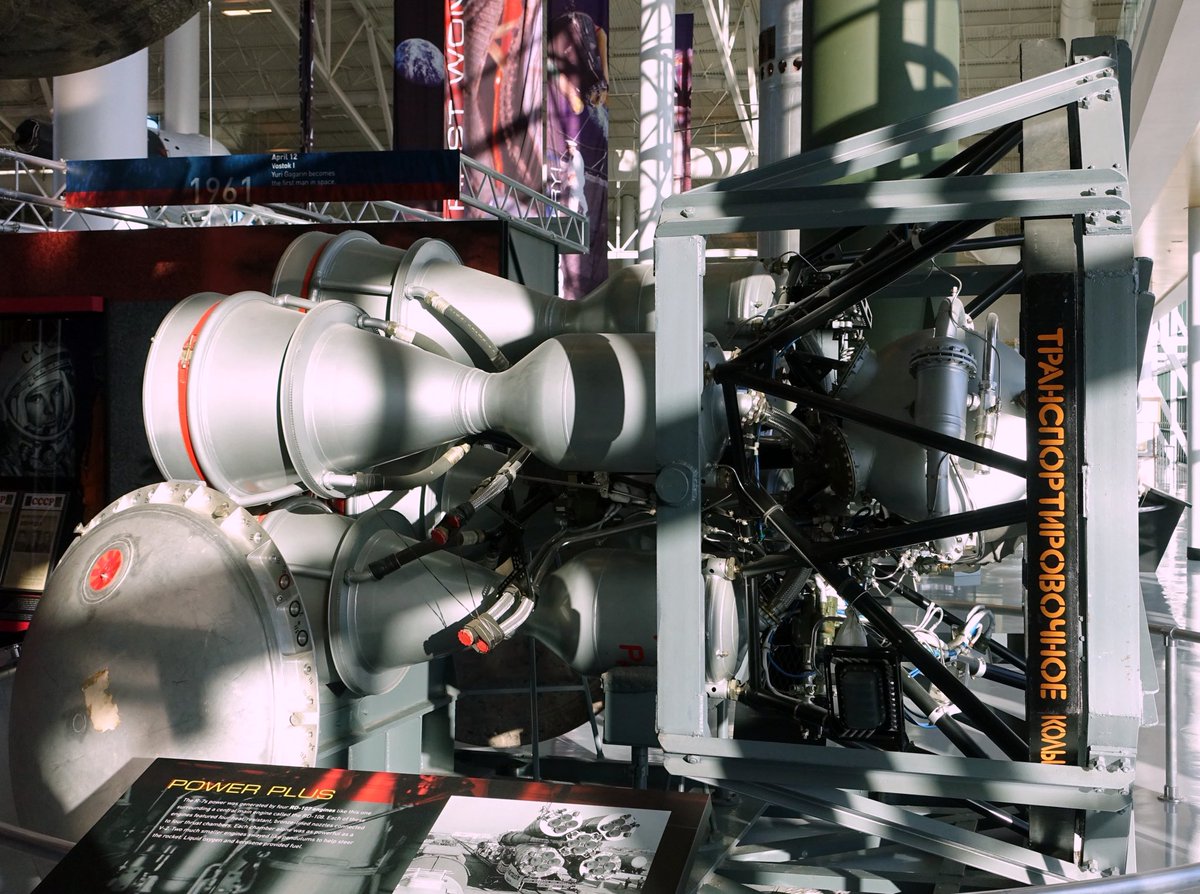
We're totally geeking out over the RD-107 and RD-108 engines, the workhorses behind the R-7 family—from Sputnik in 1957 to Soyuz ISS missions in 2025. Developed by Glushko at OKB-456 (now Energomash), these kerosene-LOX gas-generator cycle engines boast over 2,000 flights with 99%+ reliability. RD-107 (for boosters): 810 kN sea-level thrust, 256 s ISP SL. RD-108 (core): 745 kN SL, up to 290 s burn time. These icons have outlasted empires!
|
|
Aquila Vac: Propane Power for Isar Aerospace's Spectrum
|
|
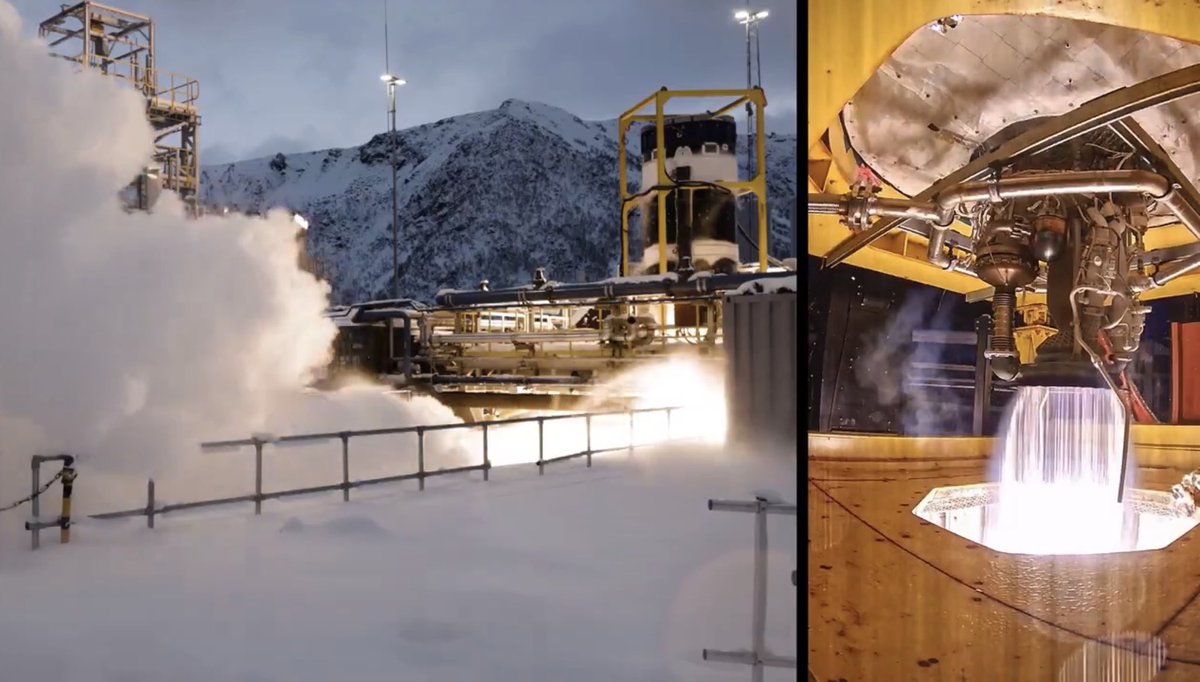
Let's talk about Isar Aerospace's Aquila Vac engine, delivering 94 kN vacuum thrust with propane and LOX. With an ISP around 340 s, its real strength is density ISP—propane's 0.58 g/cm³ density (vs. methane's 0.42) allows more impulse in smaller tanks, making rockets lighter and cheaper. It's like a punchy hatchback in the world of propulsion!
|
|
TEPREL-C: PLD Space's Turbopump-Fed Beast
|
|
Feast your eyes on PLD Space's TEPREL-C engine, Europe's most powerful private rocket engine at 190 kN sea-level thrust (vacuum version: 75 kN). Using bio-kerosene and LOX in a gas-generator cycle, it's built for reusability with Europe's largest private turbopumps. Five on Miura 5's first stage deliver 950 kN liftoff, aiming for orbital flights in 2026. A decade of evolution from pressure-fed roots!
|
|
BE-7: Blue Origin's Lunar Precision Engine
|
|
The BE-7 is a marvel: LH2/LOX dual-expander cycle with 44.5 kN vacuum thrust, throttling to 20%, ~450 s ISP, and additive manufacturing for efficiency. It's powering Blue Moon landers for Artemis. Compared to Raptor's brute force, BE-7 shines in precision for soft landings and ISRU. Competition is fueling progress!
|
|
RD-170: The World's Most Powerful Liquid Engine
|
|
The RD-170 flexes with 7.9 MN thrust from four chambers and one turbopump—oxygen-rich staged combustion at 245-250 bar, 337 s vacuum ISP, and 257,000 HP turbopumps. Ancestor to RD-180 and RD-191, it's proof of pushing physics to the limit.
|
|
Booster 18 Cryo Insights: Plumbing and Propellant Power
|
|
Diving into Booster 18's internals: 3,650 t propellant (2,925 t LOX, 725 t CH4), 1,374 t/min flow at liftoff, 3.6:1 O/F ratio, and pogo-tuned plumbing. The Nov 2025 rupture highlighted testing needs, but it's all about optimizing for scale.
|
|
E-2: Launcher's Record-Breaking Endurance
|
|
Launcher’s E-2 set a 222 s endurance record with LOX/kerosene, ox-rich staged combustion, 101 bar pressure, and 2.75 mixture ratio. Cumulative run time: 1,128 s across 13 starts. Thrust: 10 tf, ISP up to 365 s vac. Impressive progress!
|
That's all for this issue! We're excited to be back and follow the latest in rocket engine innovation. Stay tuned for more as we ramp up in 2026.
|
As always, feel free to reach out with any questions or suggestions!
|
Stay cyrogencially cool!
Dannie
|
|
Creator - Meco Rocket Simulator
|
|
|
|
|
|
|
Isar Aerospace's Aquila Vac engine test fire
|
|
|
|
|
|
|
|
   
|

|
|
Copyright (C) 2025 Loren Aerospace Ltd. All rights reserved.
|
|
|
|
|
